

Containers from India via Vladivostok: what your Russian buyer will now need from you
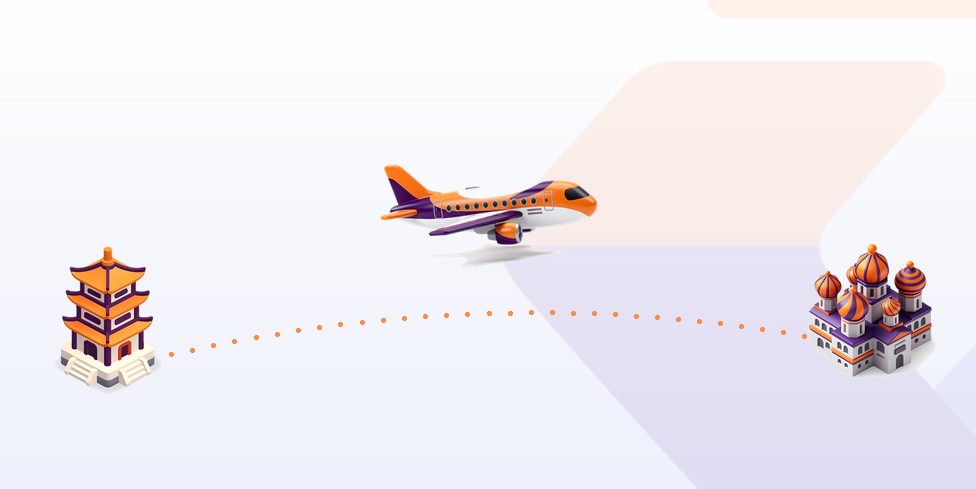
If you ship tea and spices, pharmaceutical substances, dyes, rubber, textiles or auto components out of India to buyers in Russia and the CIS, from 19 September there is one more channel available to you: a container vessel leaves Mundra, calls at Nhava Sheva, the cargo is transshipped in Ningbo (China) onto an FCDL line vessel and arrives at Vladivostok Commercial Sea Port. Planned transit time is 34 days. For you as the shipper the number matters less than the shape of the route: it is a composite service with a transshipment in a third country. That is exactly what determines whether your buyer keeps the reduced import duty rate on your goods, how the customs value of your invoice is built up, and which documents an inspector will ask for. Your consignee also has to decide in advance — before the vessel arrives — whether to declare the container in Vladivostok or at an inland customs office, and that decision changes what they need from you and when.
What the Vladivostok route changes for your shipment
Indian cargo has traditionally reached the European part of Russia through southern and Baltic ports, and the whole clearance and delivery scheme on your buyer's side was built around that. A Far East entry changes the geography: after handling in Vladivostok containers move on to Moscow, Yekaterinburg, Novosibirsk, St Petersburg and other large cities. If your consignee sits in Siberia or the Urals, the box is physically closer to their warehouse before it even goes on rail.
For buyers in the European part of the country the new service is mainly a fallback when the southern direction is congested and schedules slip. Neither you nor your customer should sell this route on the nominal 34 days: the honest figure is the full leg to the warehouse — sea, port handling, clearance and inland carriage. If your shipments have never gone through Far East ports before, it is worth understanding how sea freight with transshipment differs from a direct service, because the paperwork burden is not the same.
Transshipment in Ningbo and your buyer's tariff preference
The defining feature of the route is that the cargo travels in two legs and is reloaded in a Chinese port. India is one of the countries whose goods, if a set of conditions is met, are imported into the EAEU at a reduced import duty rate. The preference is not granted automatically: it requires a valid certificate of origin, compliance with the direct purchase rule — the goods must be bought from the Indian supplier — and compliance with the direct shipment rule. Transshipment in a third country does not by itself cancel the preference, provided it is dictated by transport conditions, the goods remained under customs control throughout, and nothing was done to them apart from reloading and storage.
Proving that is the importer's job, not the carrier's — but only you, at booking stage, can secure a through bill of lading to Vladivostok or a confirmation from the customs authority of the transshipment country. Without it the inspector may strip the preference and charge duty plus interest after release, and that bill will come back to you as a claim or a price renegotiation.
Watch the physical side of the transshipment as well, because it is documented at your end: seal numbers, package marks, container condition and the entries in the transport documents. Any mismatch between what your Indian bill of lading states and what arrives in Vladivostok is a standard trigger for physical inspection. The rule of thumb is simple — the more reloading points, the stricter the requirements for the paper trail behind the box, and the less room there is for a hand-corrected packing list.
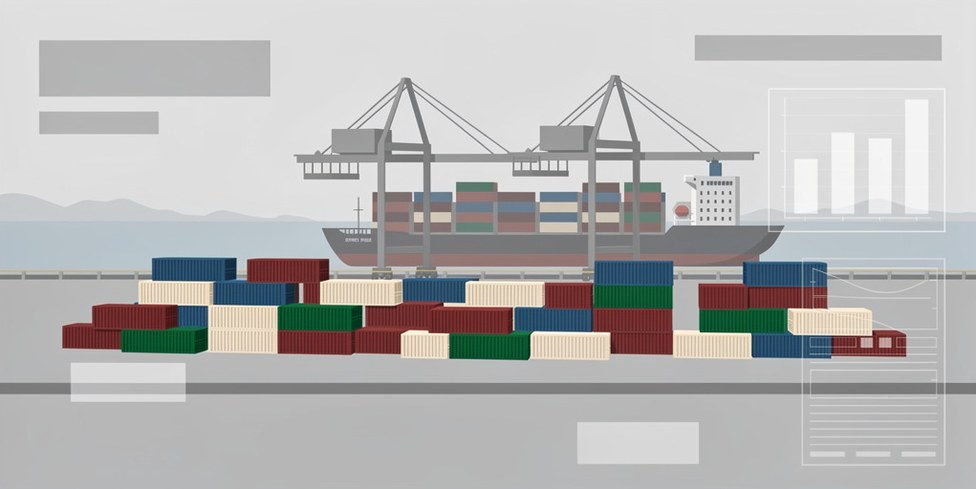
A new container service links Mundra and Nhava Sheva with Vladivostok Commercial Sea Port through transshipment in Ningbo
Documents your Russian buyer will ask you for
The set depends on what you ship. Tea, coffee and spices (HS chapter 09), rice and other plant products go through phytosanitary control, so your national plant protection service has to issue the certificate at origin. Pharmaceutical products (chapter 30) require registration documents. Organic chemistry and dyes (chapter 29) need safety data sheets and confirmation under the chemical regulation — these come from your technical department, not from the importer. Clothing and footwear (chapters 61, 62, 64) need TR CU declarations or certificates of conformity plus mandatory marking codes. Rubber and rubber articles (chapter 40), equipment and auto components (chapters 84, 85, 87) need conformity confirmation under the applicable technical regulations. All permits are issued before the declaration is filed, not after the vessel berths, and every one of them starts with a document pack or test samples from the manufacturer. If your buyer is arranging certification for the first time, expect requests for a technical file, product specifications and samples early.
Customs value is built to the point of arrival in the EAEU — freight and transshipment up to Vladivostok go into the taxable base, while costs inside Russia are deducted only if they are documented and shown as a separate line. Practically that means your invoice and freight documents should split the legs cleanly instead of quoting one lump sum to the final city. If the container moves on to an inland customs office, a customs transit procedure with a financial guarantee is involved, which adds days to the timeline your delivery promise is measured against. Our team handles the Russian side of this — from customs clearance to the onward leg by rail.
| Situation | Risk for your shipment | What the shipper does |
|---|---|---|
| Transshipment in Ningbo without a through bill of lading | Preference removed, duty recharged to your buyer after release | Ask the line for a through B/L to Vladivostok at booking, or a confirmation from the transshipment country's customs |
| Declaration filed in Vladivostok | Storage and demurrage if the document set is incomplete | Send scans of the full set early so advance information and the declaration can be filed before arrival |
| Container forwarded to an inland customs office | Extra days and a transit guarantee | Confirm the final clearance point with the buyer before loading and keep documents consistent with it |
| Consolidated container from several shippers | The certificate of origin does not cover the whole consignment | Issue origin documents per supplier and per invoice, matching the packing list exactly |
| Goods subject to mandatory marking in Russia | The buyer cannot legally put the goods on the market | Agree who applies the codes; if labelling is done at the factory, schedule it before loading |
| Lump-sum freight quoted door to door | Inland costs cannot be deducted from customs value | Split freight into the leg to Vladivostok and the leg inside Russia, with separate documents |
What the exporter should do
- Write the route with its transshipment into the contract and the booking request, and require a through bill of lading to Vladivostok.
- Issue the certificate of origin for the actual route and for the same consignment that appears in the invoice and the packing list — the direct purchase rule means the invoice must come from you as the Indian supplier, not from a third-country trading arm.
- Confirm HS codes with your buyer before loading: they drive both the duty rate and the list of permits your documents have to support.
- Send the technical file, safety data sheets and test samples early so certificates, conformity declarations and phytosanitary documents can be issued in time — registration procedures take weeks, not days.
- Ask where the goods will be declared, in Vladivostok or at the buyer's location, and align your document set and delivery terms with that answer.
- Break freight down by leg — to Vladivostok and inside Russia — with separate documents for each section.
- Quote delivery to your customer on the full leg: add port handling, clearance and rail to the planned 34 days before you commit to a date.
- Photograph seals, marks and container condition at loading and keep the file — it is the cheapest defence against an inspection claim in Vladivostok.
Frequently asked questions
Is 34 days the transit to my customer's warehouse?
No. That is the planned transit time to Vladivostok Commercial Sea Port. Port handling, customs clearance and inland carriage to Moscow, Yekaterinburg or Novosibirsk are counted separately.
Does the reduced duty rate survive the reload in China?
Yes, if the transshipment is dictated by carriage conditions, the goods stayed under customs control, nothing was done to them beyond storage and reloading, and all of that is documented. Without the documents the preference is removed.
Whose problem is it if the preference is lost?
Formally the importer proves origin and continuity of carriage, but the documents come from you and the line you booked. In practice a stripped preference turns into a claim or a price discussion on your contract, so the cheapest moment to fix it is at booking.
Must the container be cleared in Vladivostok?
No. It can move under the customs transit procedure to an inland customs office. That suits buyers who clear centrally, but it requires a guarantee and adds time to your delivery promise.
Should we move all shipments to this route?
Usually it is better to keep two channels: the Far East one for consignees beyond the Urals and the familiar southern or Baltic route for the European part. One schedule failure then does not stop your entire order book.
Summary
The new service from Mundra and Nhava Sheva via Ningbo to Vladivostok widens the choice of routes for Indian cargo and is particularly useful for consignees beyond the Urals. But a transshipment in a third country has to be documented as a direct shipment, otherwise the tariff preference is lost after the goods are released — and the cost lands on your contract. Permits, HS codes and the clearance scheme must be closed before the vessel arrives, and delivery dates should be built on the full leg to the warehouse rather than the line's transit time. Request a consultation and we will review your specific shipment.
Send us your booking and document set and we will check the route, the HS codes and the proof of direct shipment before your container leaves the port of loading.
Read also:
- Switching sourcing countries: what your Russian buyer will now require from your shipment
- Rail from Vietnam via China: how your shipment keeps the preferential duty
- Shipping PPE to Russia under TR CU 019/2011: Which Certificates Stay Valid and What Your Buyer Will Need
- No phytosanitary certificate for marked wood packaging, no PepMV requirement for tomatoes: what changes for shipments to the EAEU