

Labeling of Sausages and Meat Products Starting October 1, 2026: What Changes for Import Procedures, Technical Documentation, and Importer Record-Keeping
Starting October 1, 2026, sausage products and similar items in consumer packaging without a tracking code may not be placed on the market. For importers, this is not just a matter of having a Data Matrix code on the packaging: the code must be known prior to release, included in the declaration, and then entered into the monitoring system. We’ll explain how the rules work at this stage, what we can say with certainty based on the text of the regulation, and what needs to be clarified separately.
Which law introduced the labeling requirements and what dates are specified in it
Rules for the Labeling of Meat Products (sausages and similar food products made from meat, offal, or blood of animals, or from poultry meat and offal), packaged in consumer packaging, were added by Russian Federation Government Resolution No. 205 of February 28, 2026, to Resolution No. 1682 of November 30, 2024. Decree No. 205 entered into force on March 1, 2026.
The implementation dates are broken down by product group:
| Date | Who and What Is Affected |
|---|---|
| Effective August 1, 2026 | Market participants placing products classified under HS Code 1602 (in combination with the OKPD2 codes listed in the resolution) into circulation: must apply identification marks and submit data to the monitoring system |
| Effective October 1, 2026 | The same applies to products under HS Code 1601 00 (sausages and similar products). Additionally, effective from this date, the rule applies to peasant (farmer) households and agricultural cooperatives for both product groups |
| Effective June 1, 2027 | Submission of data on the circulation and removal from circulation of such products |
If you participated in the labeling pilot program (Decree No. 1823 of November 17, 2025), your registration in the program counts, but any missing information must be supplemented before the mandatory implementation date.
Which products are subject to the phase beginning October 1
For this phase, the products include sausage products and similar food products made from meat, offal, or blood, including poultry meat—that is, items classified under HS Code 1601 00. In the regulation, the codes are linked to the OKPD2 lists; therefore, you cannot determine eligibility “by heading”: verify the specific code using the text of the regulation and the code verification service on the “Chestny ZNAK” website.
Products under heading 1602 (prepared meat products to the extent specified in the decree; canned goods and semi-finished products are not covered by the Rules) have been subject to the previous phase since August 1. If you imported such goods after that date, you should already have a process in place. We covered a related topic in our article on the labeling of semi-finished products and frozen foods.
How an importer places goods into circulation
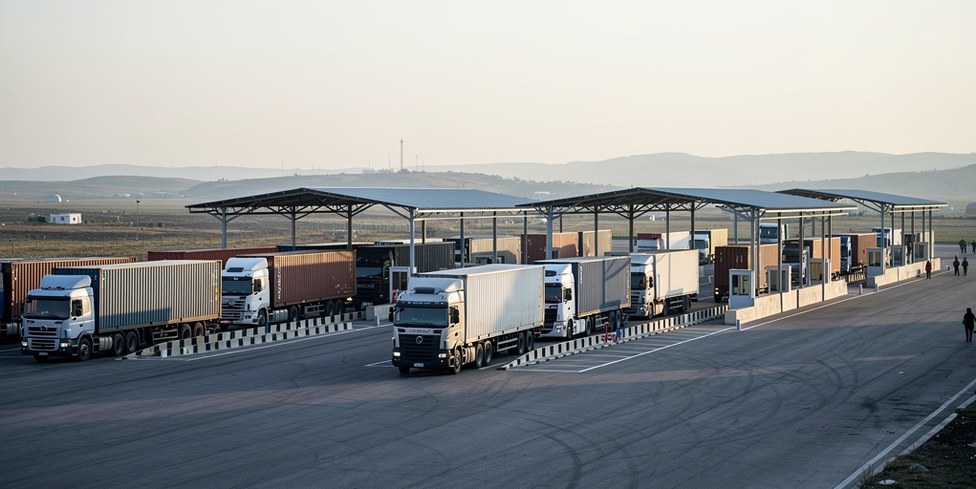
For products imported from outside the Union, placing goods into circulation involves customs clearance for domestic consumption (or re-importation) plus notification in the monitoring system. This notification must be submitted after release and before the goods are offered for sale, displayed in a store, or recorded in inventory.
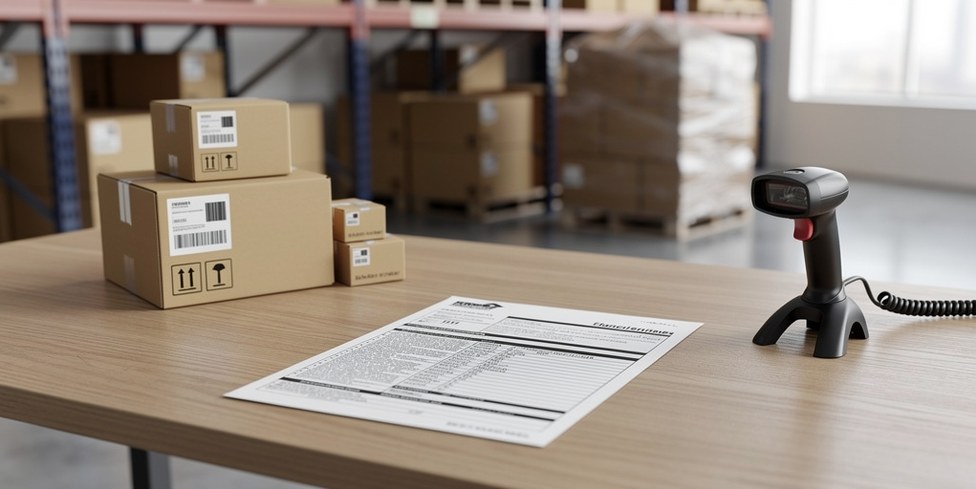
The notification must include: the importer’s TIN, the identification code (or the code for the group package, set, transport package, or aggregated customs code), the date and registration number of the customs declaration, the identifier of the electronic veterinary accompanying document (if the goods are accompanied by one), and the reason “import.” For goods from EU countries, the procedure for placing them into circulation is separate: it is tied to importation into Russia and notification under a separate provision of the Rules.
An importer may be denied entry if the authorization documents from the DT do not match the data in the customs system or are missing from the registries of certificates, declarations of conformity, and state registration certificates.
In practice, this means: first, the product documentation is put in order (declaration of conformity or state registration certificate, veterinary documents); then, the labeling code is agreed upon with the supplier; and finally, it is specified during customs declaration. For more details on proof of origin and documentation for food imports, see the article on food imports.
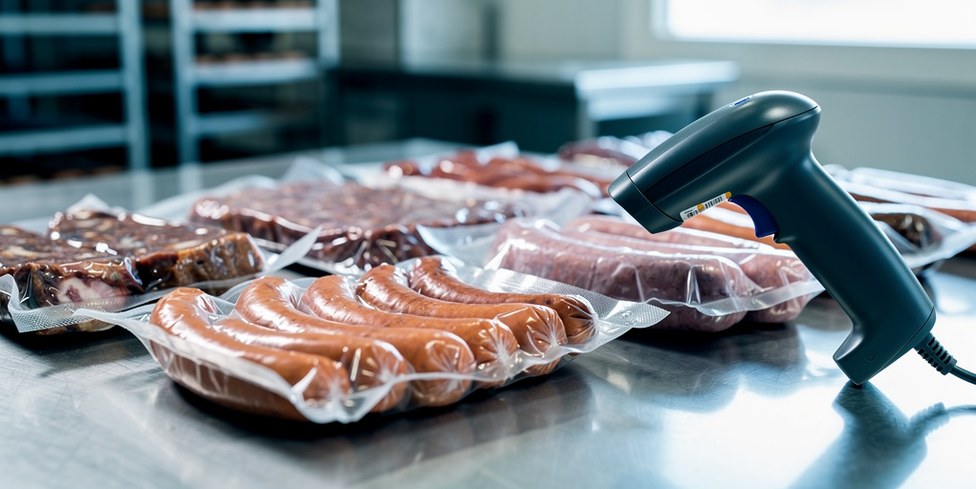
Sausage without a tracking code can no longer be put on the market
What Is Not Covered by the Rules
The labeling rules for meat products do not apply, in particular, to:
- goods placed under customs procedures for export outside the EAEU;
- advertising and marketing samples not intended for sale;
- products that are portioned or packaged by weight at the retail location;
- canned goods that are already subject to labeling under separate regulations (Decree No. 677);
- sports nutrition products, which are labeled according to their own rules, and canned baby food for children under 12 months of age;
- goods manufactured and sold by retail establishments.
What Importers Need to Do
- Classify your product range according to HS codes: determine which items fall under heading 1601 00 and which under 1602, and verify the OKPD2 code from the certificate for each heading.
- Check with your foreign supplier to determine who applies the Data Matrix code: the overseas manufacturer, a service provider, or you after importation. This determines what must be on the packaging before loading.
- Register in the “Chestny ZNAK” system and make sure the goods are listed in the catalog. If you registered for the pilot program, verify that the information is up to date.
- Coordinate with your customs representative on how to enter the codes—including the aggregated customs code—in the declaration.
- Check the permits and veterinary documents in advance: any discrepancies with customs data will prevent the entry of information regarding the release of goods for circulation.
- Set an internal deadline for submitting the notification: after release but before distribution or shipment to buyers.
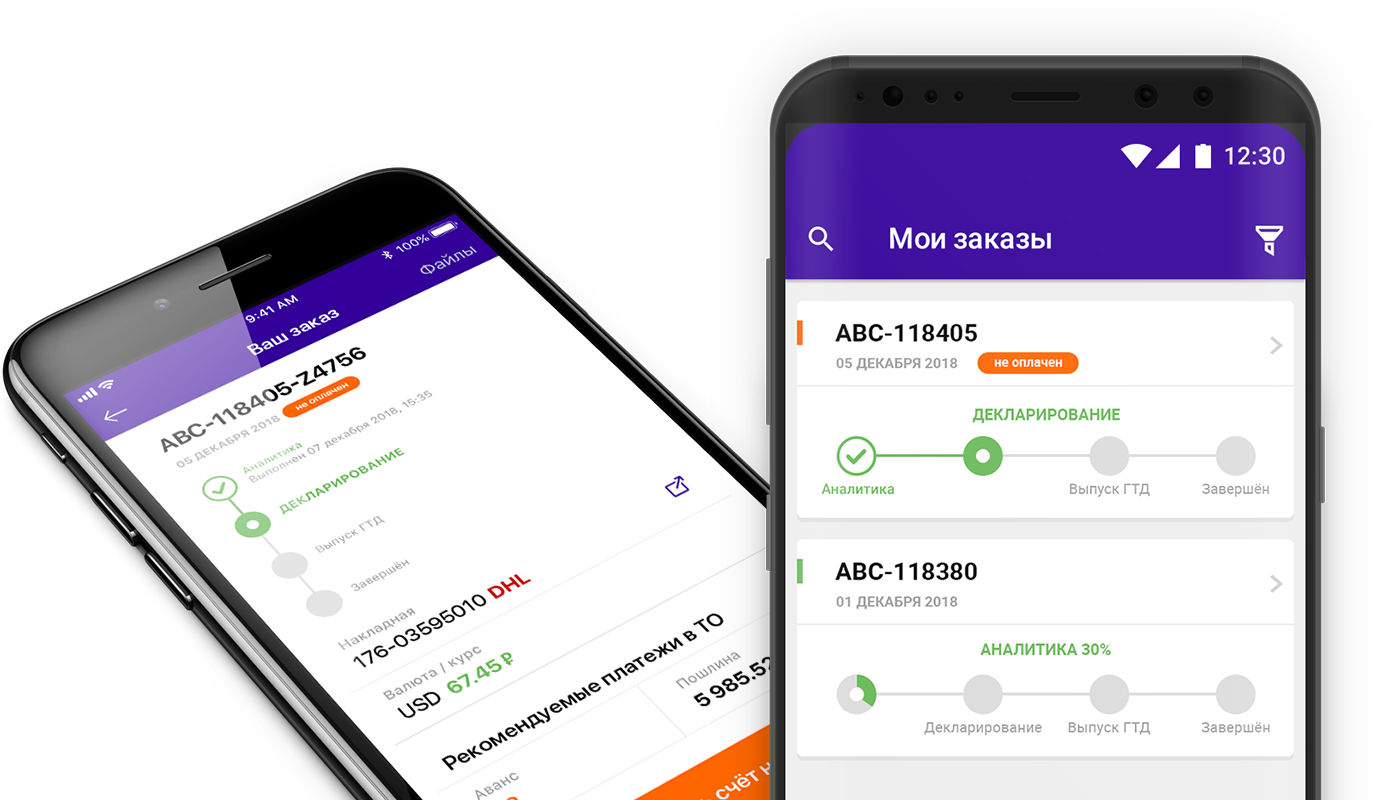
We’ll help you establish the “code—DT—notification” workflow as part of the customs clearance process, and our certification department handles the preparation of permits.
Frequently Asked Questions
What about goods purchased abroad before October 1 but imported after that date?
We did not find a separate transition period for such goods in the text of Resolution No. 205. The determining factor is the date of release for circulation—that is, customs clearance and notification—rather than the date of the transaction with the supplier. If you’re told there’s a transition period, ask for the reference number of the act, and we’ll verify it against the text.
Do we need to label the sausage if we’re importing it solely for our own use?
For such cases, the Rules provide a special basis for placing goods into circulation: goods are placed into circulation upon registration, not upon sale. The specific procedure depends on your situation; it’s best to clarify this before importing.
What are the consequences of importing without codes?
Goods without the required labeling cannot be placed into circulation; the monitoring system will not accept data without codes. The amounts of administrative fines depend on the classification of the violation, and we do not provide figures without the specific regulatory reference.
Does this apply to imports from the EAEU?
Yes, the rules also apply to goods from EAEU countries, but their release for circulation is handled under a separate provision of the Rules: a notification must be submitted upon import into Russia.
Let's check the HS codes, the supplier, and the procedure for releasing your meat shipment into circulation
Read also:
- Shipping Fish and Seafood on the Russia–China Corridor: Registers, Veterinary Certificates and the Data Your Buyer Checks
- Baby Food and Children's Supplements Bound for Russia: Chestny Znak Codes, Documents and Labelling Before Shipment
- Customs Value Verification: Risk Indicators, Customs Inquiries, and How to Support the Price with Documentation
- Navigation Seals: New Data Formats for Licenses, Invoices, and Vehicle Documents Starting in Late October 2026