

Tomatoes, Peppers, and Eggplants as of October 28, 2026: What Remains in the Phytosanitary Requirements Following the Exclusion of PepMV
If you import fresh tomatoes, sweet peppers, or eggplants, starting October 28, 2026, the Union’s special phytosanitary quarantine requirements will be streamlined. EEC Council Decision No. 101 excludes the Pepino mosaic virus (PepMV) from the requirements for tomatoes and bell peppers, and completely repeals the special requirement for eggplants. However, quarantine controls and phytosanitary certificates remain in place, as do the requirements for other viruses and pests on the lists. Let’s break down exactly what has changed, point by point, and what to check in documents and contracts.
What Has Changed: Paragraphs 2, 14, and 15
Decision No. 101 of the Council of the Eurasian Economic Commission dated September 9, 2026, amends Table 2 of the Uniform Quarantine and Phytosanitary Requirements. These requirements were approved by Decision No. 157 of the EEC Council dated November 30, 2016, and apply at the customs border and throughout the customs territory of the EAEU. Table 2 contains specific requirements for vegetables and potatoes.
The decision introduces three amendments: the reference to Pepino mosaic virus has been removed from paragraph 2 (tomatoes); the same reference has been removed from paragraph 14 (peppers); paragraph 15 (eggplants) has been deleted in its entirety. Potatoes are not affected by this decision: the table heading mentions potatoes, but no changes were made to the relevant paragraph. The decision was published on September 28, 2026, and takes effect on October 28, 2026, 30 calendar days after the date of publication.
This decision is sometimes referred to as a “clarification” of the requirements. According to the text of the act, however, it is specifically an exemption: restrictions on businesses are being reduced, not increased. We previously provided a general overview of the relaxations regarding vegetables and wooden containers in an article about tomatoes exempt from PepMV requirements and wooden containers; here, we break down the clause numbers, codes, and effective dates.
What Was and What Is Now for Goods: Table
| Goods (EAEU HS Code) | Table Item 2 | Previous Requirements | What’s in effect as of October 28, 2026 |
|---|---|---|---|
| Fresh or chilled tomatoes (0702 00 000) | 2 | The list included Pepino mosaic virus, tomato brown shrivel virus, tomato spotted wilt virus, and a number of pests | The Pepino mosaic virus has been removed; the remaining items on the list remain unchanged |
| Fresh or chilled peppers (0709 60) | 14 | Tomato brown shrivel virus, Pepino mosaic virus, and Tomato spotted wilt virus | Tomato brown shrivel virus and tomato spotted wilt virus remain |
| Fresh or chilled eggplants (0709 30 000 0) | 15 | The only requirement: freedom from Pepino mosaic virus | This item has been removed; there are no special requirements for eggplants in Table 2 |
| Potatoes, fresh or chilled (0701) | 1 | Requirements of Table 2 | No changes |
For peppers, the table lists code 0709 60 without a subheading: whether your product falls under this code is determined by the description of the HS code, so confirm the classification before shipment.
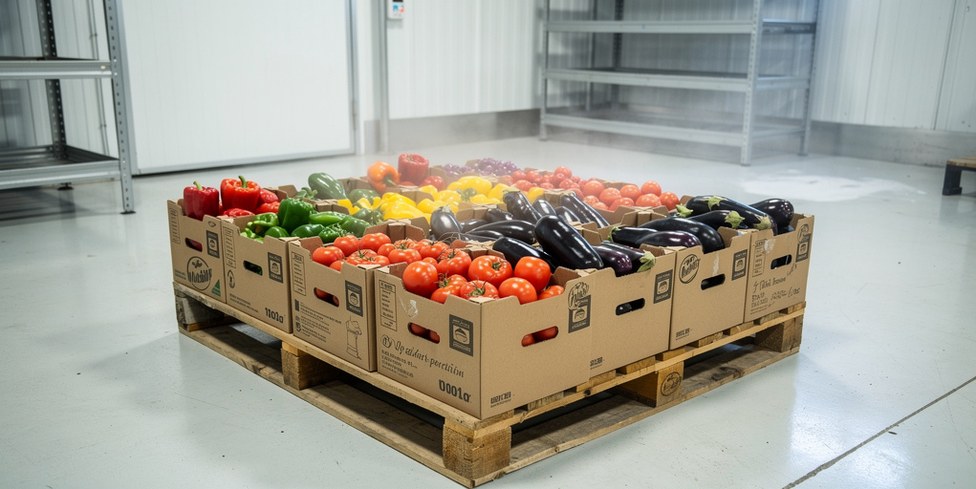
Effective October 28, 2026, the requirement regarding the Pepino mosaic virus has been eliminated for tomatoes, peppers, and eggplants
What remains in the requirements
Exclusion of the Pepino virus does not exempt vegetables from quarantine control. For tomatoes in item 2, the following remain, among others: tomato brown shrivel virus, tomato spotted wilt virus, the South American tomato moth (Tuta absoluta), the western flower thrips, the oriental fruit fly, and several species of moths. For peppers, two viruses from item 14 remain.
The relaxation applies to a single item on the list. A shipment of tomatoes or peppers must still be free of the other pests listed in the table and undergo phytosanitary inspection.
This decision does not change the requirements for seeds and planting material: these are regulated by other sections of the Uniform Requirements. If you are importing both fruits and seeds, do not apply this relaxation to seed shipments.
Practical Risks for Importers
- Shipments “under the new rules” before the effective date. The previous version remains in effect until October 28, 2026. A shipment expected at the border in the coming weeks will be inspected according to the old requirements, including for the Pepino virus. The regulation does not specify whether the date of border crossing or the date of clearance is used, so for shipments falling between these dates, clarify the procedure with the phytosanitary control authority.
- Old wording in contracts and certificates. If a contract requires the supplier to confirm the absence of the Pepino virus, after October 28, the parties must fulfill this requirement under the terms of the contract rather than under federal law. Decide in advance whether you will retain this provision.
- Confusion regarding goods. For potatoes, seeds, and other vegetables not listed in paragraphs 2, 14, and 15, nothing changes.
- The expectation that inspections have been eliminated. The exporting country’s phytosanitary certificate and inspections at the border crossing remain in effect. The exclusion of the virus does not eliminate inspections for other items.
What Importers Should Do
- Compile a list of tomato, pepper, and eggplant shipments for the coming weeks and divide them into those crossing the border before October 28, 2026, and those crossing afterward.
- For shipments prior to that date, retain the previous set of documents and all supporting evidence, including documentation regarding the Pepino virus.
- Verify the HS codes: 0702 00 000 for tomatoes, 0709 60 for peppers, and 0709 30 000 0 for eggplants.
- Amend the contract terms: determine whether the supplier’s obligation regarding the Pepino virus should remain a commercial one.
- Do not neglect the other pests and viruses on the lists: they are still subject to inspection for tomatoes and peppers.
- For seeds and planting material, leave the current requirements unchanged.
We verify the set of documents for vegetables and their classification as part of the customs clearance process.
Frequently Asked Questions
As of what date is the requirement regarding the Pepino mosaic virus no longer in effect?
As of October 28, 2026. EEC Council Decision No. 101 of September 9, 2026, was published on September 28 and takes effect 30 calendar days later.
Is a phytosanitary certificate now required for eggplants?
The decision repeals only the specific requirement in Table 2 regarding the Pepino mosaic virus. Quarantine phytosanitary controls and general shipment documentation remain in effect; the decision does not state otherwise.
Are the requirements for potatoes changing?
No. Potatoes are mentioned only in the heading of Table 2; the entry for them has not been changed by this decision.
What should be done with a shipment crossing the border at the end of October?
Follow the previous requirements until the decision takes effect, and check with the phytosanitary control authority in advance to determine the effective date of the new version.
Summary
EEC Council Decision No. 101 excludes the Pepino mosaic virus from the special requirements for tomatoes and peppers and completely repeals the requirement for eggplants effective October 28, 2026. The requirements regarding other viruses, pests, and phytosanitary controls remain in effect; potatoes are not affected. Submit a consultation request, and we will analyze your specific shipment.
Let's check the phytosanitary documents and the HS code for the shipment of vegetables before shipment
Read also:
- No phytosanitary certificate for marked wood packaging, no PepMV requirement for tomatoes: what changes for shipments to the EAEU
- Medical Devices in the EAEU as of October 28, 2026: Authorized Bodies May Suspend Approval Without a Manufacturing Inspection Report
- DOPP Status and Duplicate DOPPs: How to Report Them on the Indirect Tax Return for Imports from the EAEU
- The Unified State Register of Legal Entities and Customs: How the Federal Customs Service Notifies the Federal Tax Service of Inaccurate Data, and What a Foreign Trade Participant Should Do