

What Foreign Suppliers Need to Know: Samples and Specimens for Certification in Russia Will Be Inspected Based on the Declaration
Rosaccreditation clarified: If a certification body has doubts about the accuracy of the information provided, it has the right to request a copy of the customs declaration for goods imported as samples from the applicant and, furthermore, may verify the details of that declaration itself through the customs authority. For a foreign supplier, this changes the nature of what was once a routine formality: sending samples to Russia for testing is no longer just “paperwork for the lab” but becomes a verifiable part of the evidence supporting the certificate. And inaccurate information is grounds for invalidating the certificate—that is, for halting shipments of your products to a Russian buyer under existing contracts.
What Rosaccreditation Has Clarified
The conformity assessment scheme for imported products is based on testing; however, it is not “the product in general” that is tested, but specific samples that have been physically imported into Russia. The Russian applicant (typically your buyer or importer) provides the certification body with the details of the goods declaration under which these samples were imported. This is precisely why customs clearance for samples, specimens, and catalogs should be planned in conjunction with certification, rather than after it: the declaration number will subsequently be entered into the registry. It is important for a foreign supplier to coordinate in advance with the Russian recipient on how the samples will be shipped and cleared through customs.
The clarification addresses two points. First: if there are doubts about the accuracy of the information, the certification authority has the right to request a copy of the customs declaration from the applicant. Second, and more importantly: the authority has a way to verify the accuracy of the declared details without relying solely on the applicant’s word.
The verification does not concern the fact that the tests were conducted, but rather that the samples on which they were performed were actually imported and cleared as declared.
How the declaration verification process works
The mechanism is not new and does not require separate regulations: to obtain information regarding a declaration, the certification body sends a request to the customs authority using a standard form approved by Order No. 176n of the Ministry of Finance of Russia dated August 26, 2020. The customs response indicates whether a declaration with those details exists and what was imported under it.
An important detail for parties involved in the shipment: an applicant in Russia can use this service themselves, free of charge. In other words, a Russian buyer can verify their own information before it is checked by the certification body. If the samples are sent by a foreign supplier, carrier, freight forwarder, or the manufacturer itself, this is a way to verify that the declaration number included in the application actually corresponds to the samples that were shipped to the laboratory. Suppliers should expect that their Russian counterpart will request information about the samples shipped in order to perform this verification.
The purpose of the verification is clearly stated: to prevent the entry of inaccurate information into Rosaccreditation’s Federal State Information System (FGIS) when the applicant has submitted erroneous or knowingly false information. Note the word “erroneous”—the mechanism is designed to address not only intentional misconduct but also ordinary confusion regarding numbers.
Consequences of Inaccuracy
The consequences are described for both parties to the process, and they are asymmetrical in scope.
- For the certificate holder. The discovery of inaccuracies in the information and documents that served as the basis for conformity assessment is grounds for the state control (supervisory) authority to invalidate the certificate of conformity.
- For the certification body: If, within one year, cases of unjustified issuance of documents are identified that led to the release of non-compliant products into circulation, this constitutes grounds for removing the body from the unified register of EAEU conformity assessment bodies.
The second point explains why requests to applicants will become more frequent: for a certification body, the cost of trusting third-party documents is its continued presence in the registry. A diligent body now has an incentive to verify the details of a declaration even in cases where it would previously have accepted them at face value. For a foreign supplier, this means that a Russian buyer may contact them more frequently with questions and requests for documentation regarding product samples.
For a Russian recipient, the revocation of a certificate does not mean a fine, but rather a halt: products without a valid document cannot be released for circulation, shipments are halted, marketplaces remove product listings, and regulatory authorities raise questions about shipments that have already been imported. For a foreign supplier, this poses the risk of a halt to deliveries under existing contracts and delays at or beyond the border.
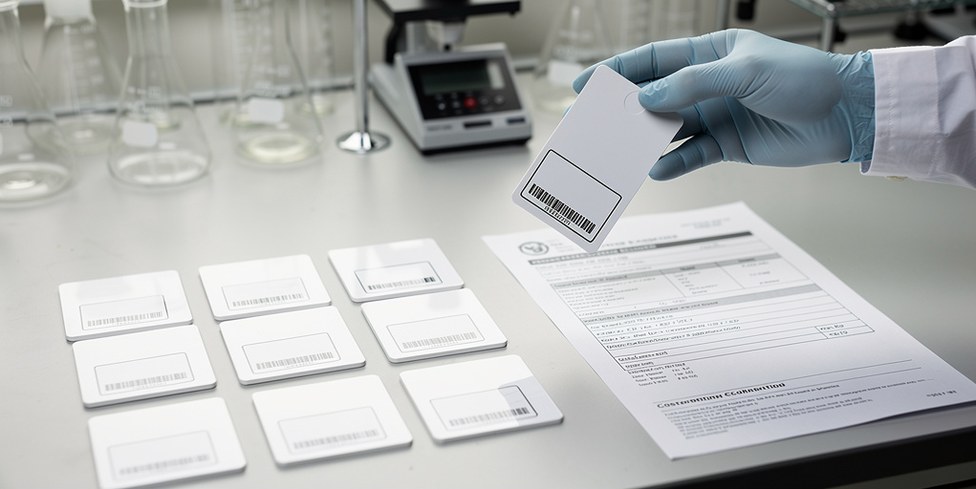
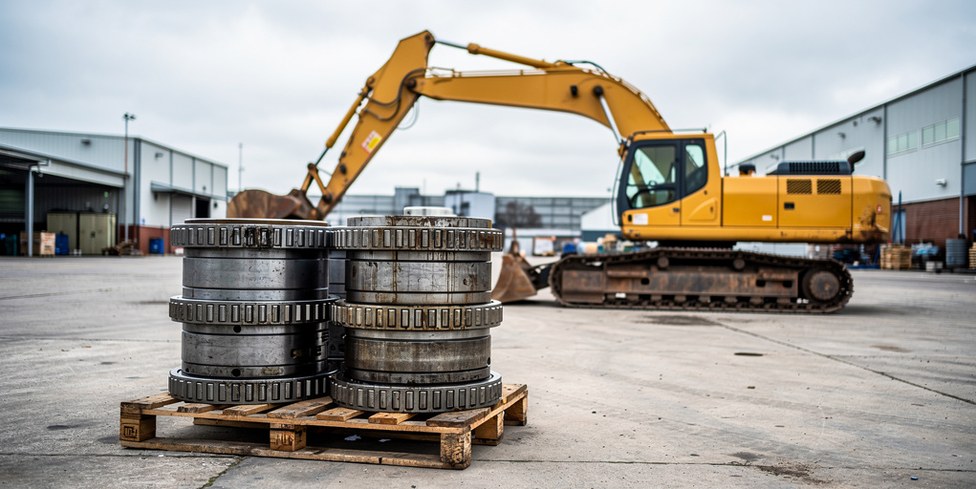
Test samples are checked against the declaration under which they were imported into Russia
Where Discrepancies Arise Naturally
Previously, errors when importing samples and prototypes into Russia were most often internal matters: incorrect cargo status, clearance “as regular goods,” or importation by the supplier without the applicant having the necessary documents on hand. This did not affect the testing process, and the certificate was issued. Now the loop is closed: declaration data is entered into the registry, the registry is cross-checked with customs, and any discrepancy affects the certificate itself.
Typical situations where discrepancies arise unintentionally:
- samples arrived via express delivery, and the customs declaration was filed by the carrier in its own name;
- the samples were imported as part of a commercial shipment, and the application lists the declaration number for the entire shipment;
- one variant was tested, but a different one was imported and declared;
- the samples were imported earlier as part of a different shipment, and the “closest matching” declaration number was used.
We have covered the proper procedure for importing test samples separately: Importing Samples to Confirm Compliance with Technical Regulations.
What to Check Before Submitting an Application
- Make sure that the samples have a separate declaration or that the batch declaration unambiguously identifies the specific products being tested.
- Verify that the name, model, and variant listed in the declaration match those specified in the application and in the test reports. The supplier should provide the Russian buyer with precise details about the shipped samples in advance.
- Check who is listed as the declarant: if it is the carrier or the manufacturer, the Russian applicant must receive a copy of the declaration in advance.
- Ask the Russian applicant to verify the declaration details themselves—this service is available to the applicant free of charge.
- Keep the set of documents for shipping and importing the samples together with the certification file: you may need them even a year from now.
- If the certificate has already been issued but there was confusion regarding the declaration details, resolve this issue with your Russian counterpart before the regulatory authority raises the question.
Need help importing samples for certification? Submit a request, and we’ll review your supply chain and advise you on how to process the samples so that the documents align.
Frequently Asked Questions
Are these new certification requirements?
No. The requirement for the accuracy of information has existed previously. The clarification describes how a certification body can verify the information in the declaration and what the consequences are if the information is inaccurate.
Is the certification body required to request a declaration every time?
According to the clarification, the body has the right to request a copy if there are doubts about the accuracy of the information. However, given the risk of being removed from the registry, it is reasonable to expect more frequent inspections.
Is it possible to verify the information in advance?
Yes. A Russian applicant has the right to use this service independently and free of charge—that is, to verify the details of the declaration before submitting the application.
What happens to the certificate if the error was technical?
The clarification does not distinguish between intentional and accidental errors: the mere discovery of inaccuracies in the information or documents is cited as grounds for invalidating the certificate.
Does this apply to declarations of conformity?
The clarification is formulated with regard to the work of the certification body and the information entered into the registry. You should review the conformity assessment scheme for your products separately.
Read also:
- Asian suppliers are opening Russian entities: what changes for your shipment and your buyer's paperwork
- Certificates and SGR: the Russian permits that decide whether your shipment clears the border
- Exporting Frozen Fish and Crab from Russia: What Foreign Buyers Need to Know About Veterinary Certificates and the 0% VAT Rate
- Exports to Russia from the EAEU: What Foreign Suppliers Need to Know About the SPOT System, QR Codes, and Security Deposits