

Logistics 2030: Why New Logistics Software Still Delays Shipments to Russia
A new study by the ICustoms platform, «Logistics 2030: challenges and opportunities of the logistics of the future», surveyed more than 200 supply chain users in Russia, China, India and Turkey. It found that 91% of warehouse and logistics management systems were installed or upgraded within the last five years — yet almost half of the respondents still name outdated or underperforming software among their main operational problems. For a manufacturer or supplier shipping to Russia and the CIS this is not an abstract IT story. The data you put on the invoice and the packing list is re-typed by hand somewhere further down the chain, and every re-entry is a chance for your shipment to stop at the border.
1. What the report actually found
The headline number looks reassuring: 91% of the warehouse and logistics management systems used by the surveyed companies were installed or modernised within the last five years. By any normal measure, this is a well-equipped market. Money has been spent, systems have been replaced, dashboards exist.
The second number contradicts the first. Almost half of the same respondents still list outdated software, or software that does not do what it promised, among their top operational problems. New systems, old complaints.
That combination points at something deeper than the age of the software. Companies are buying the right tools, but they struggle to make those tools talk to each other. As one of the surveyed employees put it: «Although we have invested a lot of resources in digital transformation, the existing technology system still cannot fully meet our needs. The legacy IT system and the lack of data exchange capabilities result in insufficient supply chain transparency».
The bottleneck is not the software. It is the handover between systems — and in cross-border trade, the biggest handover of all is the one between you and your buyer.
2. Why your buyer’s data gap becomes your delay
Your responsibility usually ends at the moment the goods are loaded. In practice it does not. Everything that happens at the Russian border is built on the documents you issued: the commercial invoice, the packing list, the specification, the certificates. The Russian declarant takes that data and re-states it in the customs declaration — product description, quantity, weight, value, country of origin, HS code.
If your files arrive as scanned PDFs or as free-form descriptions, that transfer is manual. Manual means typos, means a packing list that does not reconcile with the invoice, means a product name on the label that does not match the product name on the declaration. Customs does not see «a data exchange issue». Customs sees a discrepancy, and a discrepancy is a reason to request documents, take samples or hold the consignment.
The most common reason a shipment stands at the border is not a missing permit — it is the same product described three different ways in three of your own documents. That mismatch costs days of storage, and it is entirely fixable before the truck leaves your yard.
This is why buyers increasingly want the shipment data in a usable form, not just on paper, and why they want it before the goods depart. A broker who receives structured data can prepare the customs clearance in advance and file on arrival; a broker who receives a stack of scans starts working only when the truck is already at the checkpoint. The same logic runs through the whole chain of logistics and customs services — every step waits for the previous one’s data.

Gaps between logistics systems, not the paperwork itself, are what keep shipments waiting at the Russian border
3. What your buyer in Russia will ask for now
None of this changes the legal requirements for your goods. What changes is the format and the timing of what your counterparty expects from you. The table below shows how the routine is shifting.
| Stage | How it usually worked | What your buyer asks for now |
|---|---|---|
| Shipping documents | Scanned invoice and packing list sent when the goods are already on the way | The same documents plus an editable file (Excel, CSV or XML) with the line items, sent before departure |
| Product description | Short marketing name, sometimes only in your language | Full technical description: material, composition, purpose, model, brand — identical in every document |
| HS code | Left entirely to the Russian side | Your proposed code with a short justification, so the declarant can confirm or correct it early |
| Certificates and permits | Handled after arrival, if a question comes up | Confirmed before shipment, with test reports and technical files ready for the certification body |
| Labelling and markings | Applied at a warehouse in Russia | Increasingly applied at your factory, which means label layouts must be agreed in advance |
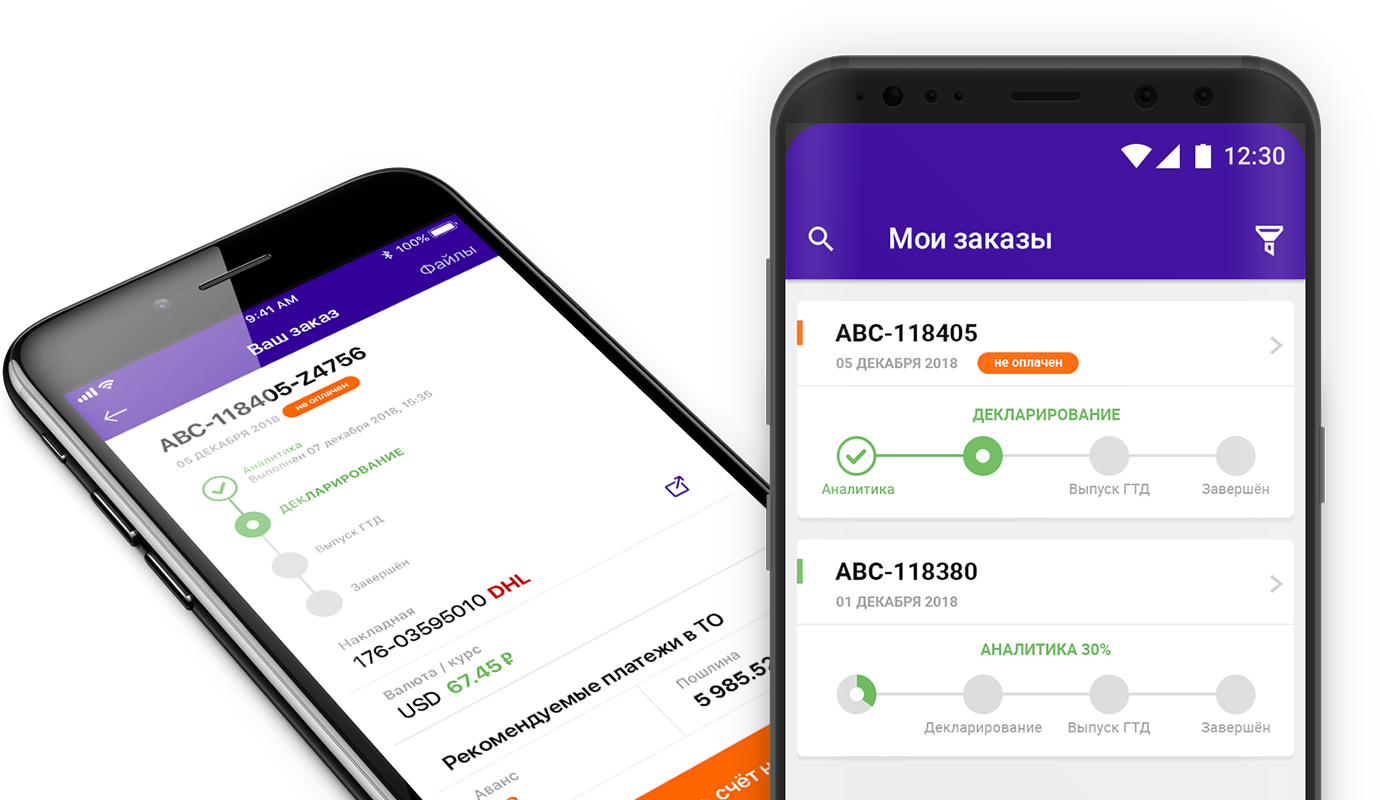
| Shipment status | Answered by email, on request | Visible to both sides in one system, without a chain of forwarded messages |
The certification line deserves special attention. Test reports, technical documentation and, for many product groups, samples come from you — the buyer cannot obtain them without the manufacturer. If certification only begins when the container arrives, the goods sit in a temporary storage warehouse at your buyer’s expense, and that expense eventually lands in the price negotiation.
4. What the exporter should do
- Send data, not only images. Attach a machine-readable line-item file to every shipment alongside the signed PDFs. It costs you one export from your ERP and saves your buyer a day of typing.
- Freeze one product description. Use exactly the same wording in the invoice, the packing list, the specification, the certificate and the label. Not a synonym — the same string.
- Agree the HS code before production is finished. The code drives the duty rate and the list of required permits. Discovering it at the border means discovering it too late.
- Prepare the technical file early. Composition, materials, safety data sheets, test reports, drawings — the certification body will ask for them, and only you have them.
- Clarify who applies the labels. If marking is expected at your facility, get the layout, the language and the placement approved in writing before the run starts.
- Give your buyer one point of contact for shipment data. A named person and one channel beat five email threads when customs asks a question with a deadline.
- Keep a document set per shipment, not per contract. When an inspection happens, the question is always about one specific consignment.
5. Frequently asked questions
Is this a new regulation I have to comply with?
No. The report describes how supply chain technology is performing, not a change in law. What it changes is what your Russian counterparty realistically needs from you to clear goods without delay.
Our own systems are modern. Why is this our problem?
Because the survey shows the weak point is the connection between systems, not any single one of them. Your modern ERP and your buyer’s modern WMS still exchange data through a PDF attachment unless someone changes that.
Who determines the HS code — us or the importer?
The declaration in Russia is filed by the Russian side, so the final responsibility is theirs. But the code is derived from your product data, and an early proposal from the manufacturer prevents an argument at the checkpoint.
How early should documents reach the buyer?
As a working rule, at the moment of dispatch rather than at the moment of arrival. Anything that requires certification or laboratory testing should be started weeks earlier, before the goods are loaded at all.
Summary
The Logistics 2030 study shows that new systems have not solved the transparency problem: 91% of logistics systems are recent, and almost half of the companies still call their software a top operational issue, because the tools do not exchange data with each other. For an exporter, the practical consequence is simple — the quality and the timing of the data you hand over decide how long your goods stand at the Russian border. Send structured data, keep one product description across all documents, and settle certification before shipment. Request a consultation, and we will go through your specific shipment together.
We can clear your shipment in Russia and check the documents before the goods leave your warehouse.
Read also:
- Customs clearance in Russia through 2030: what faster border control and post-release audits mean for your shipments
- Rail Shipments from China to Russia Hit a Record: Documents, Customs Value and Transit Times Your Consignee Will Ask About
- DOPP Status and Duplicate DOPPs: How to Report Them on the Indirect Tax Return for Imports from the EAEU
- Medical Devices in the EAEU as of October 28, 2026: Authorized Bodies May Suspend Approval Without a Manufacturing Inspection Report