

EAC Certificates Are Checked Daily: What Your Shipment to Russia Now Needs
If you ship goods into Russia under an EAC certificate of conformity, that document is now verified by the state on the day it is issued. Rosaccreditation runs daily monitoring of certification under 27 EAEU technical regulations, checks every new certificate and suspends a document found to be in breach within 24 hours of the issue date. Most of the evidence behind those checks sits on your side of the deal: the samples you send for testing, the laboratory reports on your product and the assessment of your production site. Below is what each check means for your shipment and what your Russian buyer will now ask you for before the goods leave the factory.
Contents
- How the monitoring works and how fast it bites
- The four points behind every certificate
- Test samples are a customs shipment, not a courier parcel
- What your buyer will ask you for now
- What to do before you load
- Frequently asked questions
How the monitoring works and how fast it bites
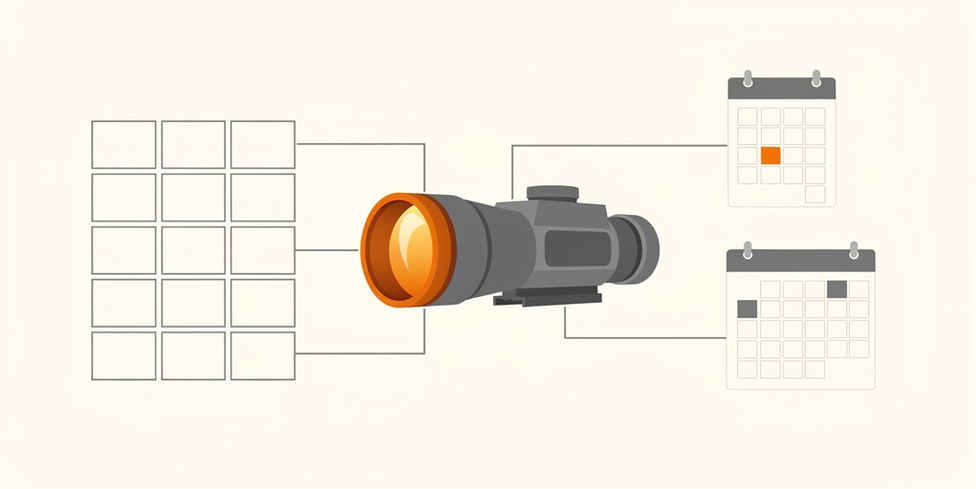
Start with the volume. More than 60,000 test protocols and around 300 certificates are entered into the Rosaccreditation information system every single day, and one certificate carries more than 340 types of data. That is precisely why the review is automated and continuous rather than occasional: the data inside a new certificate is cross-checked against the laboratory records, the customs records and the production assessment that are supposed to stand behind it.
Then the speed. All new certificates are checked daily, and suspension follows within 24 hours of the date of issue. Over the first three quarters of 2024, more than 55,000 certificates of conformity to mandatory requirements were reviewed this way. The declared purpose is to suspend flawed documents in time and keep unsafe products out of circulation: goods covered by a suspended certificate cannot reach the shelves until the legality of the document is confirmed.
For an exporter, the practical meaning is timing. A certificate no longer quietly fails months later during an inspection — it can stop being usable within a day of being issued, while your container is still being loaded or is already on the way. A document that was valid when the contract was signed is not automatically valid when the goods arrive.
The four points behind every certificate
Whatever the product, the review comes down to four questions about the paperwork:
- Was the product tested in full? The scope of laboratory testing has to cover what the technical regulation requires, not a convenient part of it.
- Do the test protocols actually belong to this certificate? Reports taken from another product, another applicant or another certificate are visible in the system.
- Was the sample for testing actually imported? The fact of import of the test sample is checked against customs data.
- Is there an act of analysis of the state of production? This is the document produced when your manufacturing site is assessed.
Three of those four depend on the manufacturer, not on the importer. Your Russian buyer cannot create the evidence: the sample comes off your line, the technical description comes from your engineers, the production site being assessed is yours. When a supplier treats certification as “the buyer’s paperwork” and simply waits for a scan of the certificate, this is exactly where the document turns out to be hollow. Our certification team can tell you which technical regulations apply to your product and what evidence each of them will require from your side before you commit to a delivery date.

A certificate can be suspended within a day of being issued — most of the evidence behind it comes from the manufacturer, not the importer
Test samples are a customs shipment, not a courier parcel
Among the most common violations found during certification, three come up again and again: incorrect information about customs declaration, an incomplete scope of laboratory research, and incomplete uploading of conformity documents into the Rosaccreditation information system. The first one is the one that starts in your warehouse.
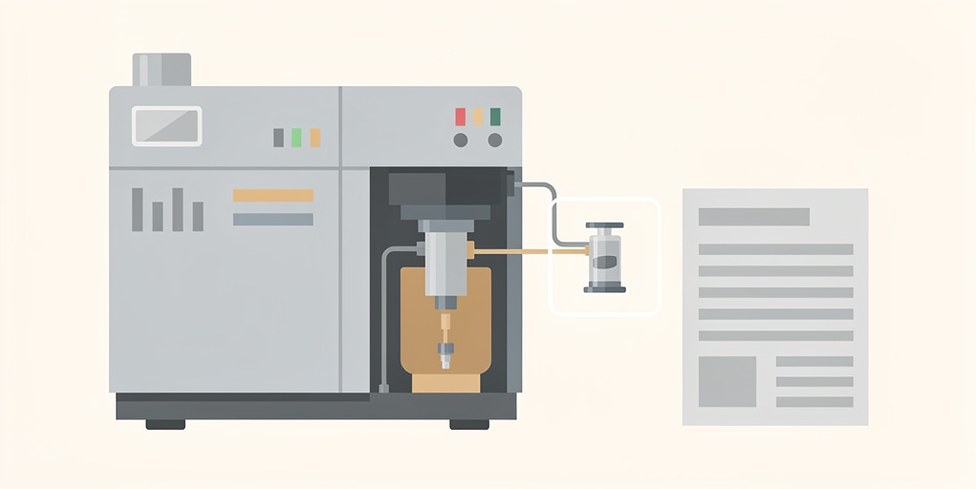
Certification requires a physical sample of your product to be tested in an accredited laboratory, and that sample has to arrive in the country as a properly declared import. The declaration data ends up inside the certificate and is matched against customs records. If the sample never crossed the border, or crossed it as an undeclared parcel with no documents behind it, the mismatch is visible immediately — and the certificate is the thing that gets suspended, not the parcel.
A certificate can be suspended within 24 hours of being issued, long before your cargo reaches the border. Check that the document your buyer holds is still active in the register on the day you load, not on the day the contract was signed.
What this changes in your shipping routine: samples for testing should be planned as a separate small export shipment, with their own invoice and their own customs clearance of samples and catalogues, well ahead of the commercial batch. Sending them inside the box with the main order, or as a zero-value gift with no paperwork, creates exactly the gap the monitoring is designed to find. The description on the sample invoice matters too: the product name, model and composition must match what will later appear on the certificate and on the commercial invoice used for customs clearance of the full consignment.
What your buyer will ask you for now
Because every one of the four checks traces back to the manufacturer, importers have shifted their requests upstream. Expect the questions below to arrive earlier in the deal than they used to — often before the purchase order is confirmed.
| What is checked | What it needs from you | If it is missing |
|---|---|---|
| Customs declaration data on the test sample | A declared sample shipment with an invoice and clearance documents, sent before the commercial batch | The most common violation of all: the certificate is suspended and the consignment behind it stalls |
| Completeness of laboratory testing | Full technical description, composition and materials, the list of models and modifications to be covered | Testing is treated as incomplete and the document is withdrawn from use |
| Test protocols belonging to the certificate | Samples from your own production, matched to the exact items being certified | Protocols are not accepted as evidence for that certificate |
| Act of analysis of the state of production | Access to your manufacturing site for the assessment and documentation of your processes | A key element of the evidence file is absent |
| Upload of documents into the information system | The complete document set handed to the certification body on time, in full | Incomplete upload is itself one of the recorded violations |
One more request you should be ready for: the certificate number, so the buyer can look the document up and confirm it is active. That check costs nothing and takes a minute, and it is now routine. A certificate that cannot be found in the register, or shows as suspended, is worth nothing at the border regardless of how it looks on paper.
What to do before you load
- Agree with your buyer, in writing, who obtains the certificate, who pays for testing and who is responsible if the document is suspended.
- Confirm which of the 27 technical regulations apply to your product before quoting a delivery date — the answer determines how much evidence has to be gathered.
- Plan the test samples as a separate declared shipment: own invoice, own clearance, sent early enough for the laboratory to work through the full scope of tests.
- Keep the product name, model, composition and materials identical across the sample invoice, the technical documentation and the future commercial invoice.
- Prepare your production site for the assessment behind the act of analysis of the state of production, and plan for the time it takes.
- Hand the certification body a complete document set at once — missing files end up as an incomplete upload into the information system, which is a violation in its own right.
- Ask for the certificate number as soon as it is issued and confirm with your buyer that it is still active on the day the goods are loaded.
- Keep someone reachable who can answer questions about the product and the sample shipment quickly, including during the days right after the certificate is issued.
Frequently asked questions
Do we really have to send physical samples into the country?
Yes. The fact that a sample was imported for testing is one of the four points every certificate is checked against, and the customs declaration data for that sample is part of the document. A certificate issued without a real, declared sample shipment behind it is exposed as soon as the data is compared.
Our certificate was issued last week and the goods are already on the water. Is that a problem?
It is the moment to be attentive. All new certificates are checked daily and suspension happens within 24 hours of issue, so a fresh document is at its most fragile in exactly the window when you are shipping against it. Confirm the document is active before loading rather than after arrival.
What is the act of analysis of the state of production?
It is the document that records the assessment of the manufacturing site. Its presence is one of the things reviewed when a certificate is examined, which means the assessment of your factory is part of the evidence file — not an optional formality your buyer can arrange without you.
What happens to our shipment if the certificate is suspended?
Goods covered by a suspended certificate cannot go into circulation until the legality of the document is confirmed. In practice that means the consignment waits — with storage running against it — while the document is sorted out or the product is certified again. For the supplier the damage is usually indirect but real: a delayed delivery, a buyer who reprices the risk, and a longer negotiation on the next order.
Summary
Every new certificate is checked daily against the laboratory, customs and production evidence behind it, and a flawed one is suspended within a day of issue. Three of the four things being checked come from the manufacturer, which makes certification part of your shipping preparation rather than your buyer’s administrative task. Send the test samples as a properly declared shipment, keep the product data identical across every document, and confirm the certificate is active on the day you load. Request a consultation and we will go through the requirements for your specific product and route.
We can check which technical regulations apply to your product and arrange declared customs clearance for your test samples before you ship.
Read also:
- Certificates Voided Without Testing: What Rosaccreditation's Crackdown Means for Your Shipments to Russia
- EAEU certificates checked daily: what your Russian buyer will now ask the exporter for
- Shipping clothing to Russia: what your buyer will ask for before the goods leave your warehouse
- Shipping to Russia over the New Year holidays: documents, arrival windows and customs clearance